How 3D technology is transforming the construction industry
- Oct, 08, 2026
- Structural Design Limit States Structural Optimization Structural Reliability Performance-Based Design Multiscale Methods Structural Control Structural Systems Concrete Structures Structure Types Structural Behavior Other Structural Sustainable Development Standards And Design Codes News On Projects / Industry
- Authored by: thestructuralengineer.info
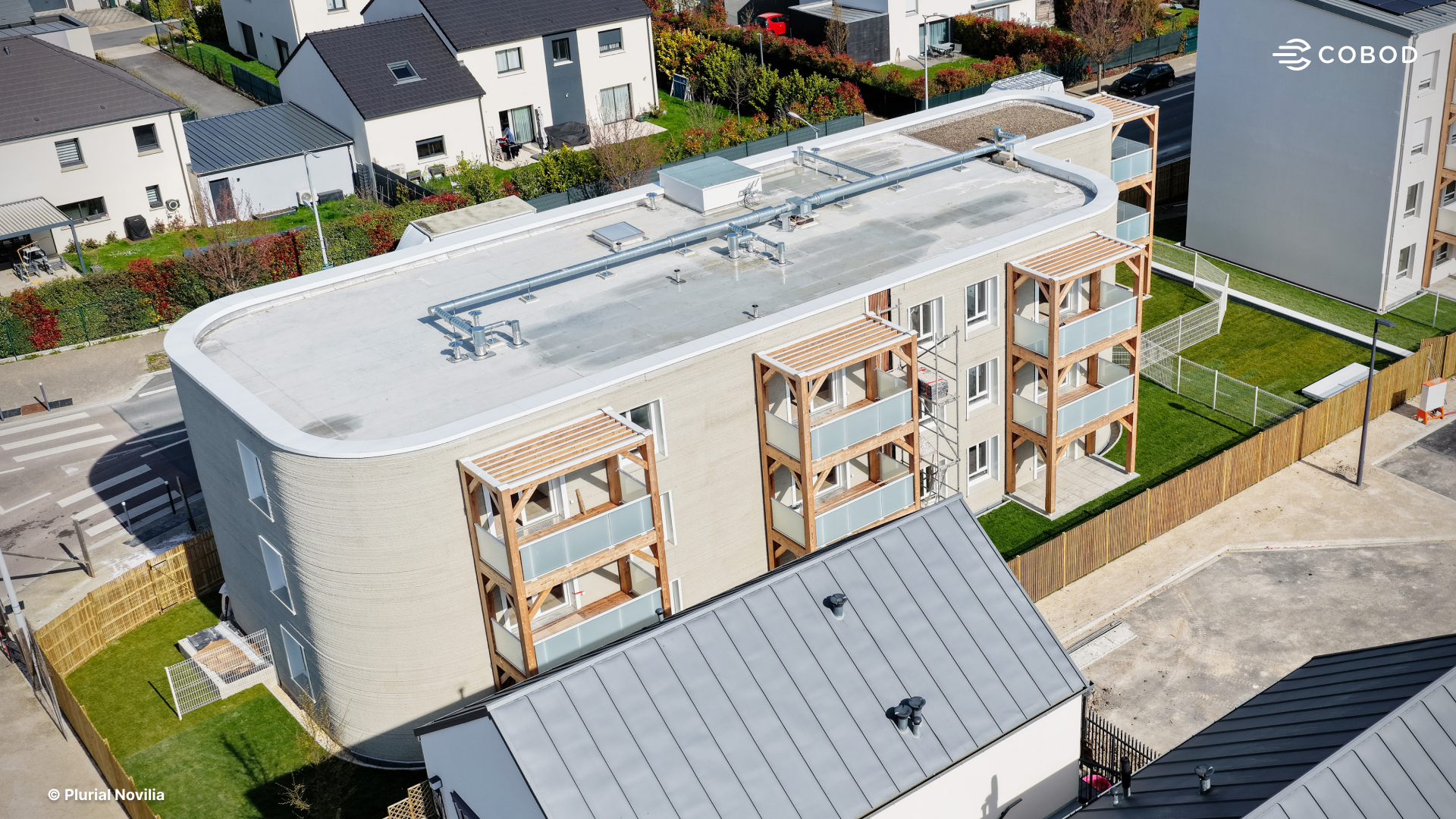
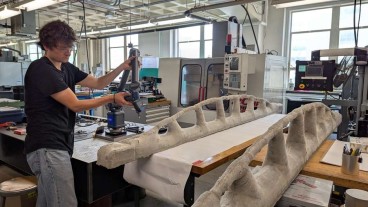
The construction industry has changed significantly over the last decade. Specifically, robotics, artificial intelligence, and 3D printing are beginning to change the way construction projects are planned and delivered. Today, 3D printing involves using large robotic machines to place materials layer by layer, using concrete or other composite and locally available materials.
The main goal of these innovative techniques is to use less material and reduce waste. Automation can also reduce the amount of manual labor required on site. For developers, another important advantage is speed. If the technology performs as intended, parts of a project can be completed more quickly and with fewer workers involved in the structural phase.
The first construction projects using 3D printing were generally small-scale residential developments. However, multi-storey buildings have already been completed, while engineers are beginning to explore how similar techniques could be applied to much larger structures.
China's Yangqu Dam is an example of how automation and digital technology are being applied at an infrastructure scale. Specifically, the project uses autonomous equipment, including unmanned trucks and rollers, to move and compact construction materials, while artificial intelligence helps coordinate the machinery and manage the construction process.
Zoë A. C. Knudsen, who is a member of the Executive Management Team at COBOD International, stated that the biggest practical benefits can be seen during the structural stage of construction. According to Knudsen, reducing the time needed for structural work can have a significant effect on a project's overall schedule. For developers, completing work sooner can also affect financing and the timing of later stages of a development. Smaller construction crews and a more controlled process can provide additional benefits.
In addition, another consideration is the material itself. Rather than depending entirely on specially prepared imported mixtures, some 3D-printing systems can work with materials sourced locally. This can help reduce transportation costs and limit exposure to supply-chain problems. Furthermore, there is also growing interest in the commercial potential of construction 3D printing. The sector remains small compared with conventional construction, but forecasts suggest that it could expand considerably over the next decade.
However, it should be noted that when 3D printing is introduced into a new country or market, developers must deal with building regulations, approvals, construction standards, and unfamiliar working procedures. Moreover, authorities also need to determine how existing regulations should apply to a construction method that does not always follow conventional building practices.
Therefore, technology will need to demonstrate that it can consistently deliver the benefits promised by its developers, particularly in terms of cost, speed, material efficiency, and reliability. If it can do so, its use could expand well beyond experimental projects.
A greater reliance on robotic systems could reduce the demand for certain tasks, particularly repetitive work such as bricklaying. Other parts of construction may also change as digital planning and automated machinery become more common.
That does not necessarily mean that construction jobs will simply disappear but, the nature of the work is likely to change. New projects will require people who can operate and maintain robotic equipment, work with digital models, and manage automated construction systems. While training will become an important part of the transition, workers with existing construction knowledge may also be able to move into new technology-related roles rather than leaving the industry altogether.
Grand View Research, which is a market research and consulting company, estimates that the 3D-printed concrete construction market was worth about $704 million in 2025. The research firm expects the market to grow to roughly $16 billion by 2033, representing an annual growth rate of close to 48% between 2026 and 2033. In addition, other forecasts are similarly optimistic, as Research and Markets has projected that the wider global 3D-printing construction market could reach around $23 billion by 2030. However, for now, 3D-printed buildings remain relatively uncommon.
In all, technology has already moved beyond small demonstration houses and into larger residential developments and infrastructure projects. Hence, as the industry gains experience and regulators develop clearer standards, the use of automated construction could become much more widespread. Even though the buildings of the future may still rely on familiar materials such as concrete and steel, the way those materials are designed, placed, and assembled could look very different from today's construction sites.
Sources: innotechtoday.com, archdaily.com
Want to read more like this story?

First 3D-printed building in Dubai
Jul, 29, 2019 | NewsThe first building realized via 3D printing technology in Dubai will be developed by Emaar Prop...

Dubai plans to build the world's first 3D-printed mosque
May, 03, 2023 | NewsDubai aspires to build the world's first 3D-printed mosque, that will cover an area of 2,000 square...

A 29-meter-long 3D printed bridge is under construction in the Netherlands
Apr, 05, 2021 | NewsThe world's longest 3D printed pedestrian concrete bridge is currently under construction in the...

New solution promises 90% cost reduction in concrete 3D printing materials
Dec, 22, 2021 | NewsConcrete 3D printing of building shells has grown considerably in the last few years, with more and...

Smart construction: How superstructures are built in just 11 days
Mar, 06, 2025 | NewsThe construction industry has undergone significant changes in recent years as digital transformati...

Printout homes using new techniques: the rise of 3D-printed houses
Aug, 18, 2021 | NewsPalari Homes and Mighty Buildings company is using a new technique to build houses within 24 hours....

The world’s most exceptional 3D printed homes
Apr, 10, 2024 | News3D printing technology is a revolution at the construction sector, enabling builders to fabricate h...

Australia: plans for the construction of the first 3D-printed social housing units
Aug, 23, 2024 | NewsIt is widely known how revolutionary is the technology of 3D-printing. More and more 3D-printed pro...

Tanzania: They plan to construct about 50 3D-earth printed buildings
Aug, 14, 2024 | NewsToday, the construction industry is characterized by the continuously increasing use of 3D-printing...
Trending

Spectacular interchanges around the world

Cairo, Egypt: Building collapse caused 6 casualties while 7 others were injured

Severe storms and possible tornadoes cause widespread damage across North Carolina
Glass cafe at 2,600 feet in the air: it opens on world's tallest bridge


New AI system identifies multiple defects in concrete bridges using photographs