AI tool turns drone images into street-level views to speed up earthquake response assessment
Researchers have developed a new artificial intelligence (AI) tool designed to support rapid post-earthquake damage assessment, according to recent research findings. The system aims to help emergency response teams quickly identify severely affected areas, reducing reliance on time-consuming manual inspections.
The tool, known as LEGG, uses drone imagery to generate realistic street-level views of buildings. This capability is significant, as aerial images alone do not fully reflect the perspective available to responders operating at ground level.
The AI model is trained using paired datasets that link aerial and ground-level views of the same structures, enabling it to learn the relationship between the two perspectives. Previous approaches have primarily relied on aerial imagery, which can limit the ability to interpret structural damage as it appears at close range. In contrast, conventional field assessments may require several days to complete, creating delays in emergency response.
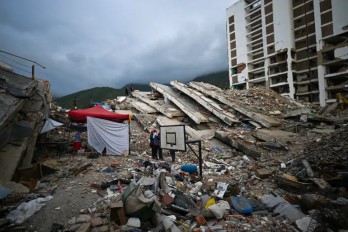
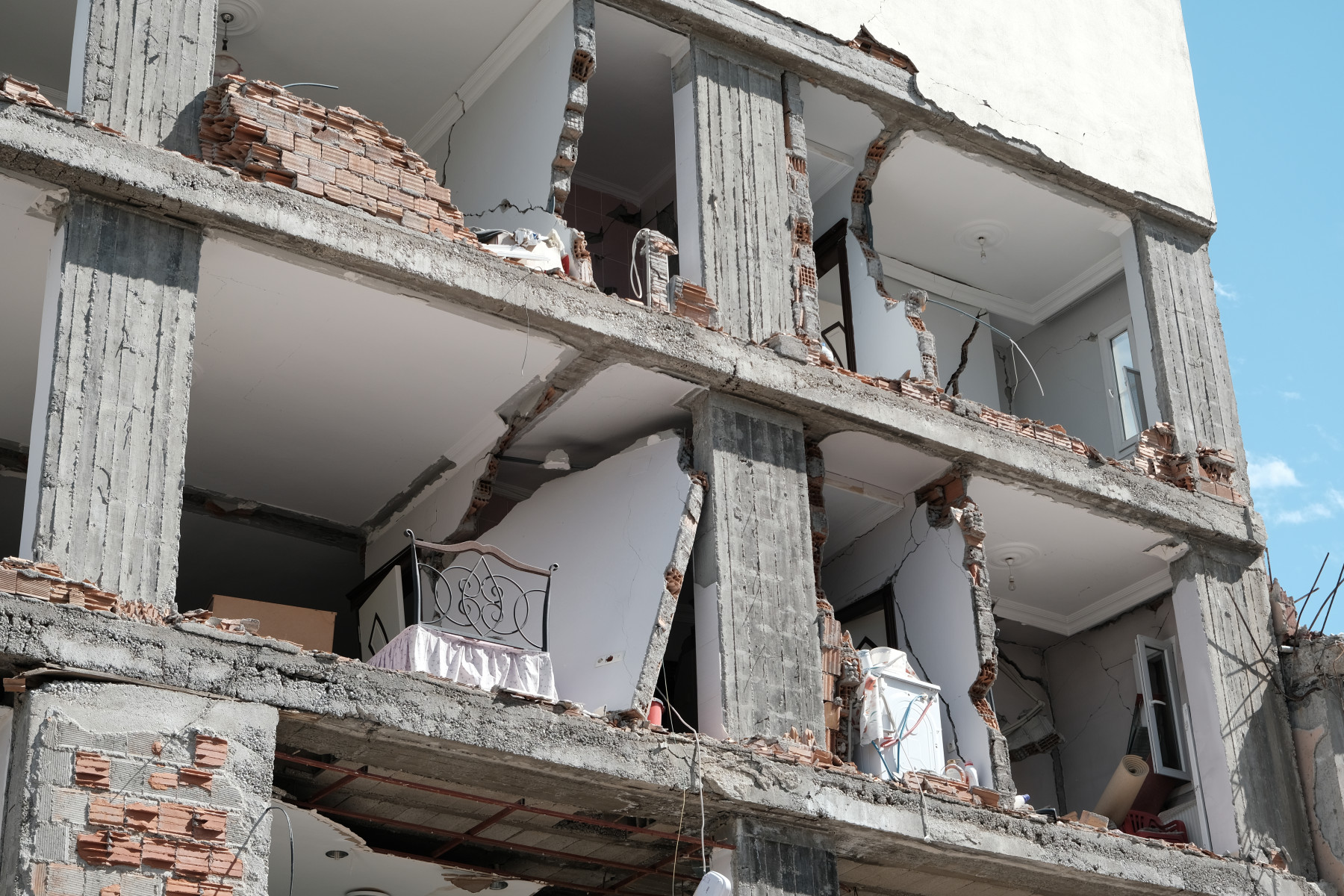
The system was tested using data from the 2023 earthquake in Türkiye, where it demonstrated the ability to identify key damage features such as cracking, structural deformation, and partial collapse. Notably, the model achieved these results despite being trained on a relatively limited dataset.
Its performance is attributed to the integration of multiple forms of visual data, allowing the model to capture a more comprehensive representation of structural damage. The researchers suggest that, with expanded datasets and further development, such AI tools could support not only disaster response but also long-term urban planning and resilience strategies.
However, the system is intended to complement rather than replace existing assessment methods. Further validation and refinement are required before large-scale deployment, but the approach demonstrates the potential of AI to enhance decision-making in time-critical emergency situations.
Sources: news.osu.edu, tandfonline.com/
Want to read more like this story?
AI and virtual reality to monitor the structural safety of buildings and bridges
Nov, 08, 2023 | NewsThe structural health and safety of a nation's bridges and buildings is crucial for preventing disa...

Researchers developed AI-based algorithms for real-time structural assessment of bridges
Sep, 13, 2023 | NewsBridges play a crucial role in India's infrastructure, with approximately 13,500 of them spread acr...

Drones and AI can reduce risks in corroded bridges
Oct, 15, 2024 | NewsToday, corroded bridges pose significant safety risks, but advances in drone and AI technology are...

The progress of Civil Engineering with the aid of Artificial Intelligence
Dec, 16, 2023 | NewsArtificial Intelligence (AI) finds widespread applications across various sectors. Even in the fund...
Earthquake Damage to Transportation Systems
Jan, 01, 2019 | EducationEarthquakes represent one of the most destructive natural hazards known to man. A serious result of...
Damage (structural)
May, 31, 2023 | EducationStructural damage can be caused by a range of factors, including natural disasters, e.g. earthquak...

PolyU unveils multi-tier AI bridge inspection system deployed on 11 Hong Kong bridges
Nov, 25, 2025 | NewsA research team at The Hong Kong Polytechnic University has developed a multi-tier intelligent brid...

New method to evaluate building safety after seismic events
Feb, 20, 2019 | NewsResearchers from EPFL (École Polytechnique Fédérale de Lausanne) in Switzerland have found a bran-ne...

A 5D platform for earthquake prevention and control
Nov, 17, 2021 | NewsA five-dimensional (5D) smart city earthquake simulation platform was exhibited by its developer, t...
Trending


4.1 magnitude earthquake in Nice, France raises concerns among authorities

The first building in Toronto, Canada to exceed 100 storeys.

The tallest structure in Indiana: 1,132 feet tall

Sinkholes Found Near Lotte World Tower

Three-storey building collapses in Benetússer after residents flee warning signs