Concrete alternatives for sustainable construction
Cement is one of the most widely used materials in the world, but it comes at a high environmental cost. In fact, its production is responsible for about 8% of global CO₂ emissions and thus designers and manufacturers are exploring new ways to rethink concrete and reduce its impact on the planet.
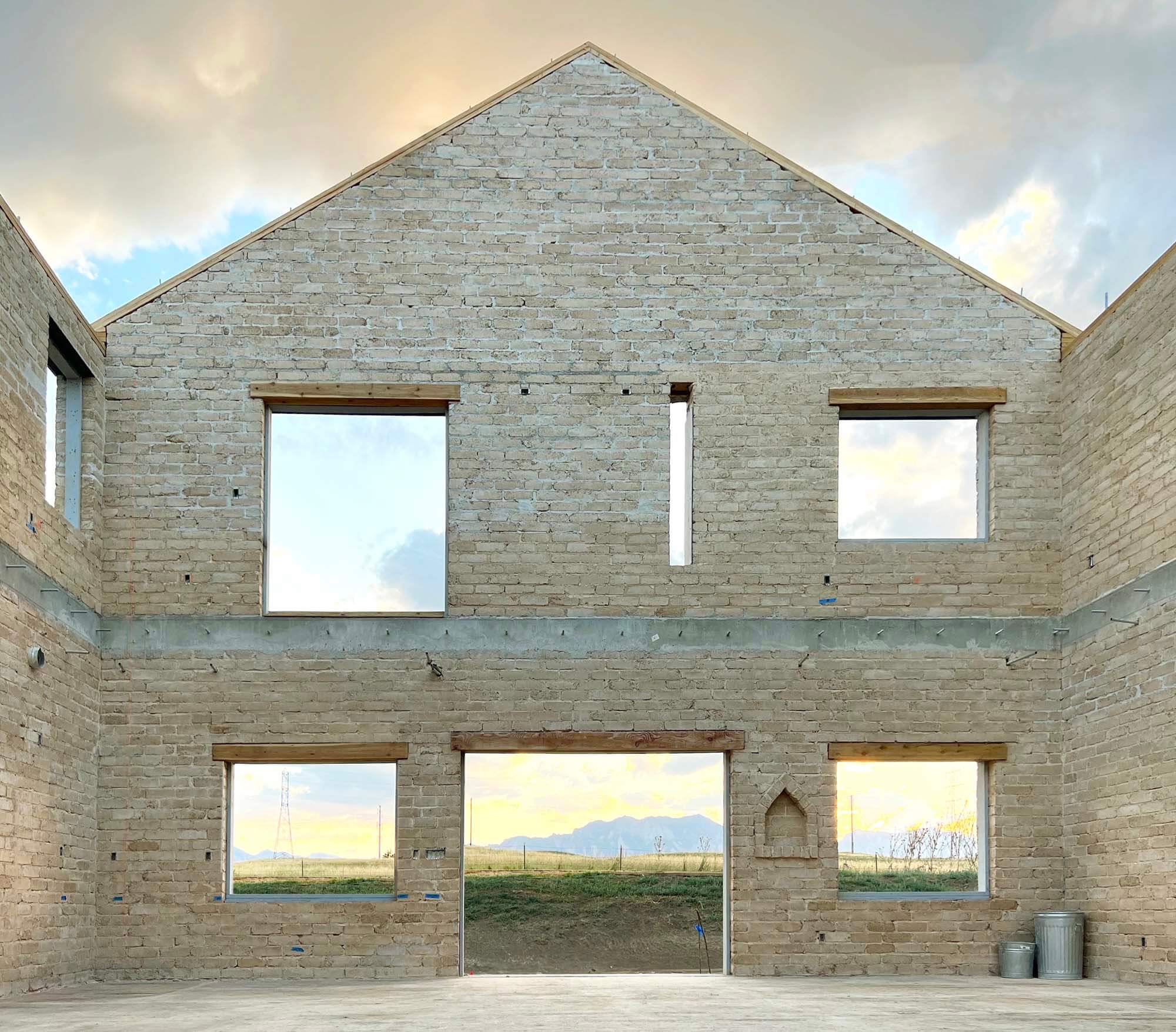
One example is EcoBlox, developed by Nova Terra. Instead of relying on traditional concrete ingredients, these blocks are made from leftover materials from excavation, e.g. sand and clay fines. By transforming waste into a building resource and producing the blocks locally in Colorado, the company offers a practical and lower-impact alternative to standard concrete.
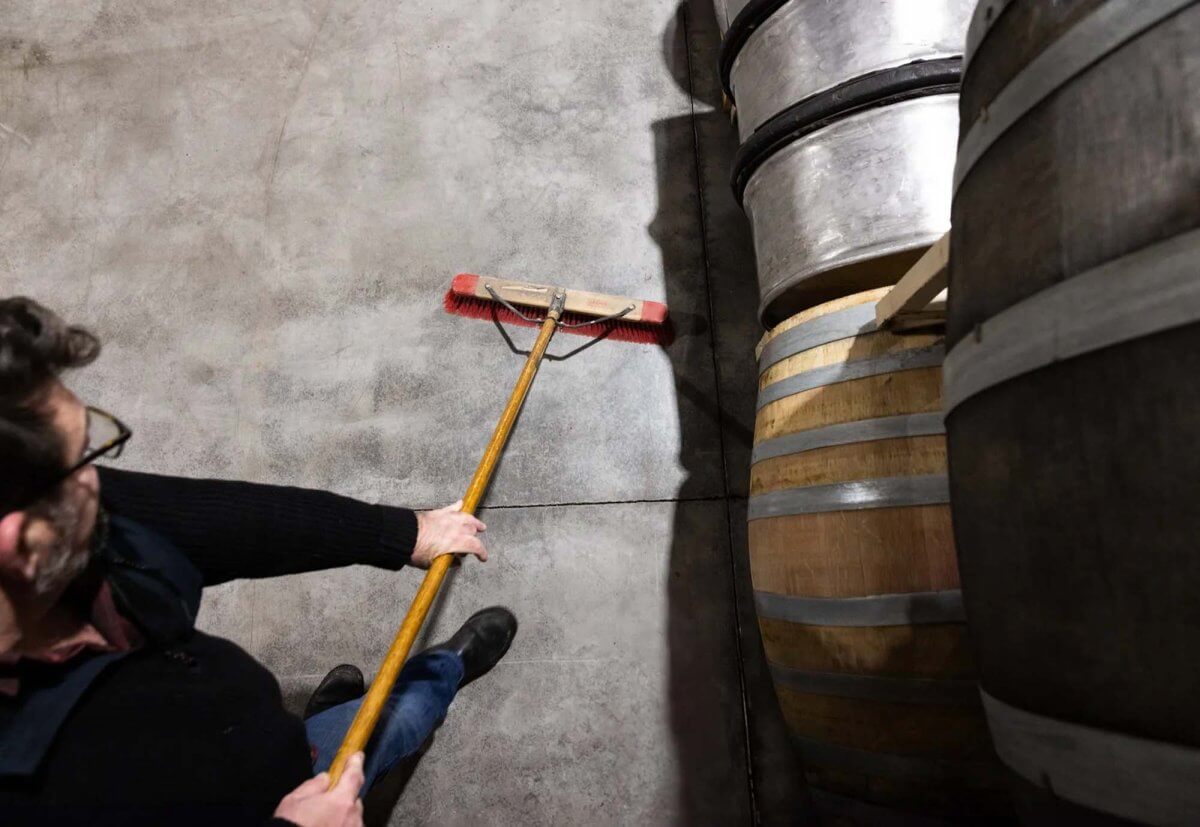
At Holcim, researchers have taken a different approach by introducing biochar into concrete. Biochar is created by heating organic waste without oxygen, a process that locks carbon into a stable form. By incorporating this material into their mix, Holcim has developed a circular, carbon-negative concrete that not only reduces emissions but stores carbon.
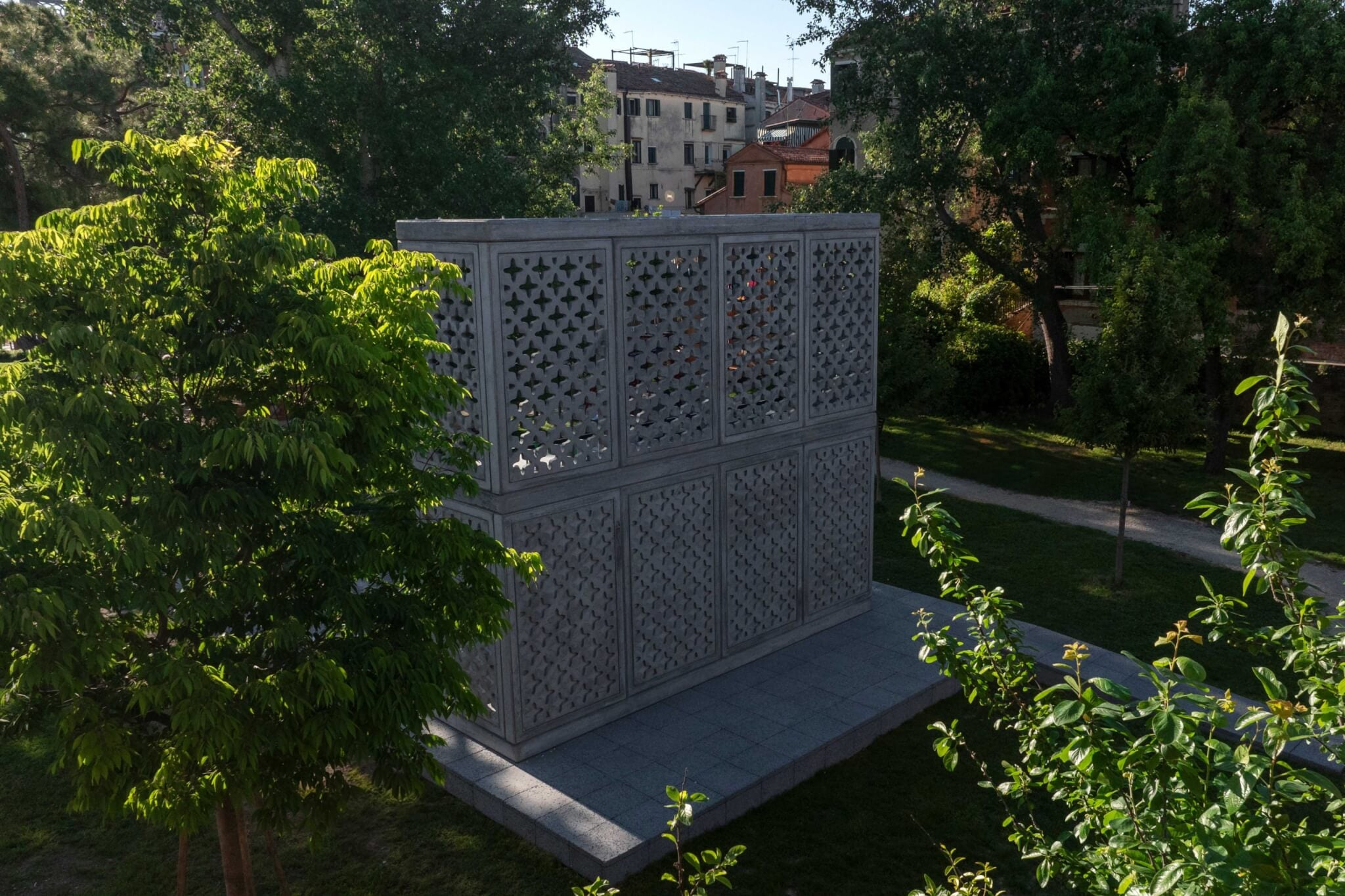
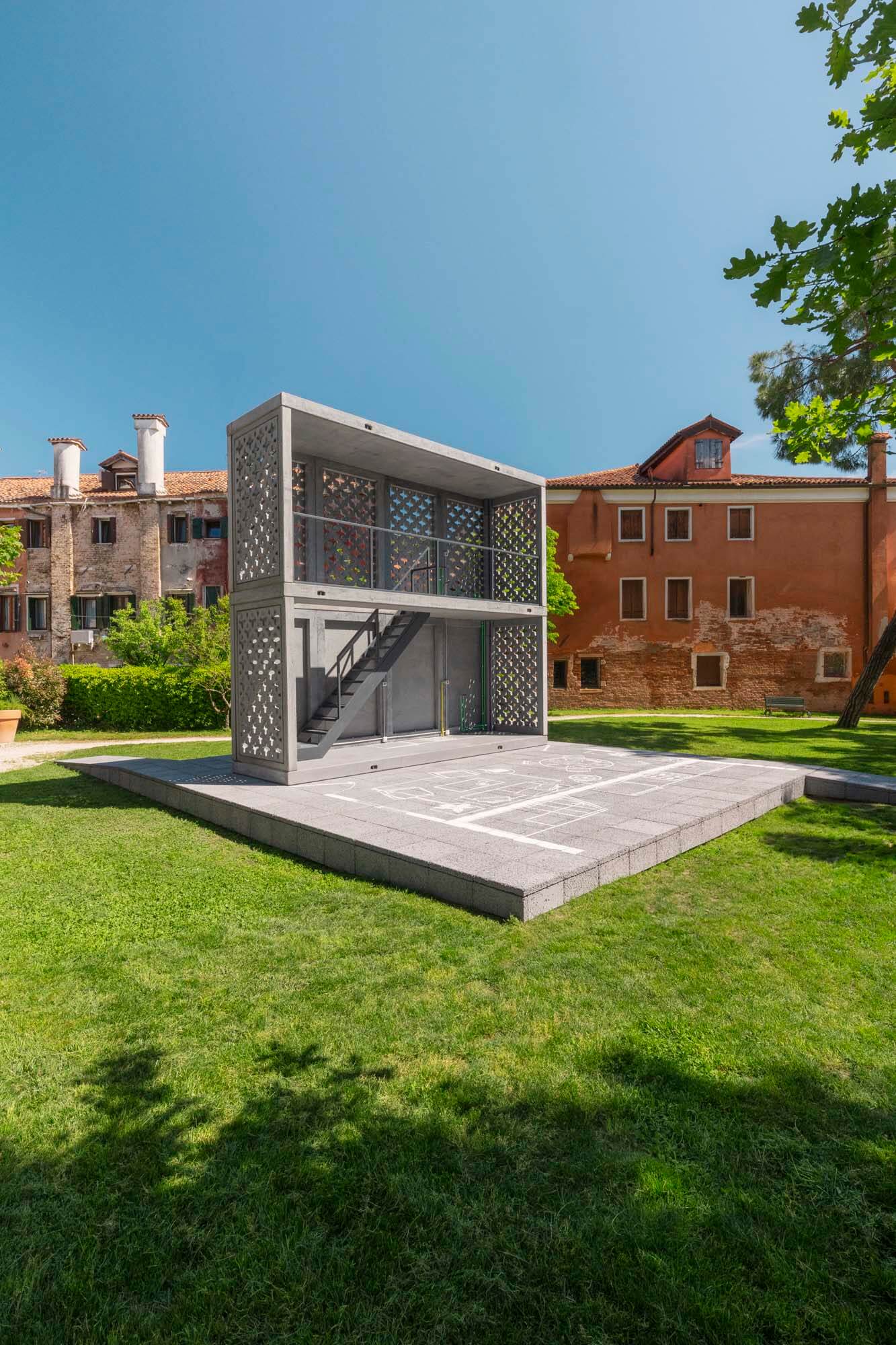
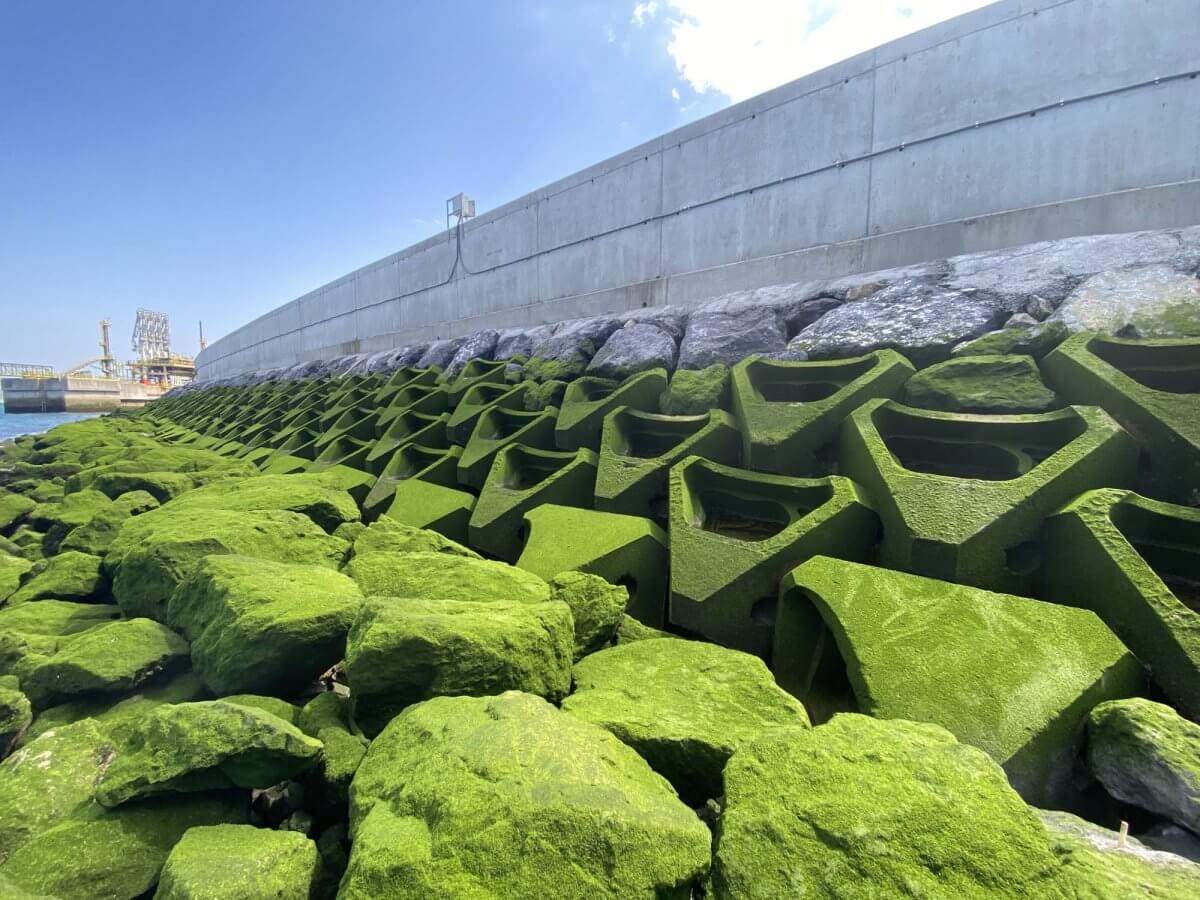
In coastal environments, concrete can damage delicate ecosystems. That’s where Coastalock, created by ECOncrete, stands out. This specially designed concrete uses bio-enhancing ingredients and textured molds shaped by scientific research to encourage marine life to grow on and around infrastructure, helping restore biodiversity instead of harming it.
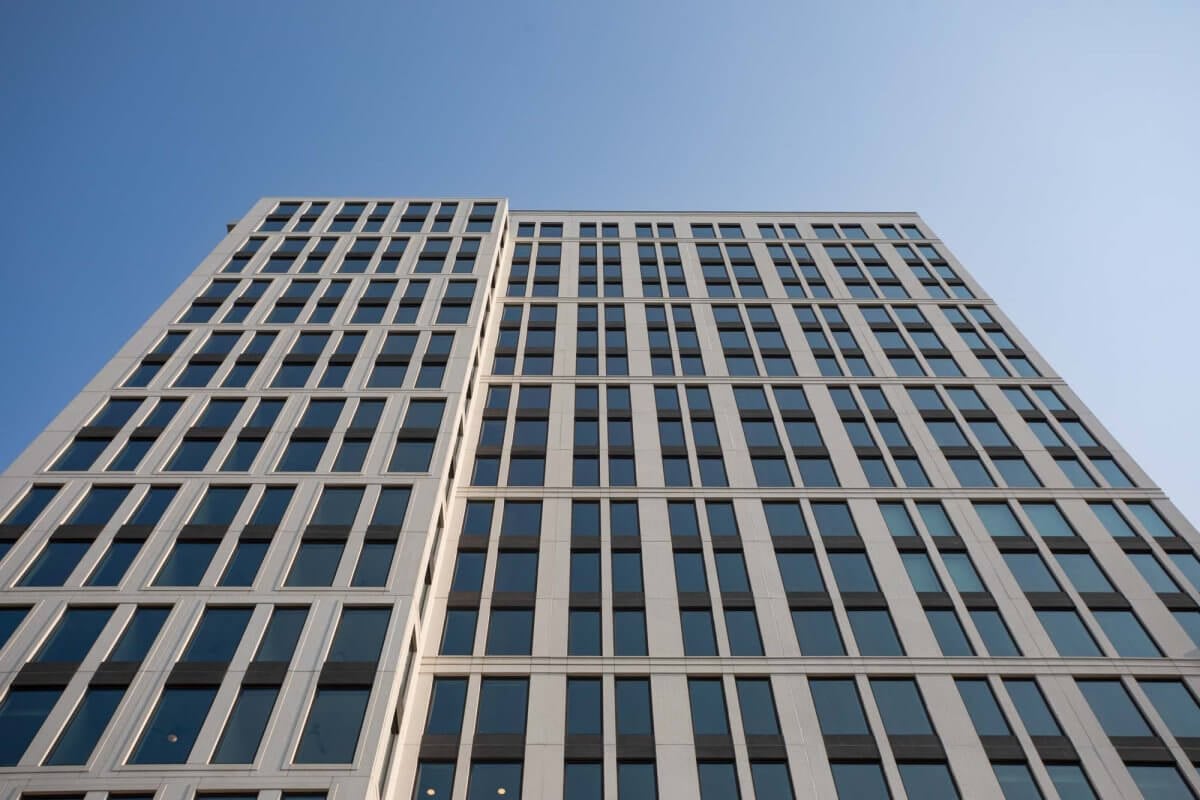
Another promising solution comes from Solid Carbon with its product BioPOZZ. Using biochar technology, BioPOZZ acts as a supplementary cementitious material that replaces part of the cement in concrete mixes. In doing so, it captures carbon and reduces the overall emissions associated with construction.
Source: archpaper.com
Image Gallery
Want to read more like this story?

Zero-cement concrete will reduce the environmental impact in construction industry
Aug, 08, 2024 | NewsDue to the climate crisis and the high CO2 emissions of concrete, engineers and scientists are seek...
Concrete that traps CO2 emissions for good
Jul, 16, 2018 | NewsA new method to produce concrete that traps harmful CO2 emissions and increases the compression stre...
The world’s first carbon concrete building constructed by researchers in Germany
Nov, 10, 2022 | NewsThe first building made of carbon-reinforced concrete was inaugurated in September after two and a...

Sustainable materials can be used in construction to decrease environmental pollution
Apr, 30, 2024 | NewsEfforts to reduce emissions in the building sector typically focus on operational aspects like heat...

Concrete is a climate disaster and thus it’s time to clean it up
Oct, 29, 2021 | NewsFor soaring bridges, dramatic skyscrapers and even the path around your local park, builders love c...
Concrete Structures
Jan, 01, 2019 | EducationConcrete structures are constructions that utilize concrete as the primary building material. Conc...
Innovative prefab concrete homes in Roosendaal aim to cut CO₂ emissions by 75%
May, 10, 2026 | NewsIn the Dutch city of Roosendaal, four new homes are being built using a new prefab concrete system d...

Finnish Startup Carbonaide raises $4.4M to turn concrete into a carbon sink
Jan, 29, 2026 | NewsCarbonaide, a startup based in Finland, has raised $4.4 million (€3.7 million) to grow its carbon-n...

10 state-of-the-art sustainable materials that will alter construction industry
Jun, 10, 2024 | NewsIn 2024, sustainable materials become state-of-the-art in construction since the construction indus...
Trending


4.1 magnitude earthquake in Nice, France raises concerns among authorities

The tallest structure in Indiana: 1,132 feet tall

The first building in Toronto, Canada to exceed 100 storeys.